
Fire Extinguisher Solutions

A fire extinguisher is the first thing anyone reaches for when a fire starts small. In the right hands in the first couple of minutes, it’s often the difference between a scorching mark and a gutted building. But it only works if it’s the right type for the fire, sited where people can actually reach it, and charged and in date when they grab it.

That last part is where most premises slip up. An extinguisher bolted to a wall and forgotten for three years is a red prop, not a safety device.

Zap Fire supplies, installs, refills and maintains fire extinguishers for commercial, industrial, healthcare and institutional premises. We’re headquartered in Gurugram and we service clients across India. We’ve done this since 2008, and we cover the whole job, from specifying the right units for your risk to refilling and pressure-testing them year after year.

Types of fire extinguishers we supply

Different fires need different extinguishers, and the wrong one can make things worse. Here’s what we supply, all ISI-marked:

ABC dry powder

The all-rounder, rated for Class A, B and C fires. The default choice for offices and mixed-use floors
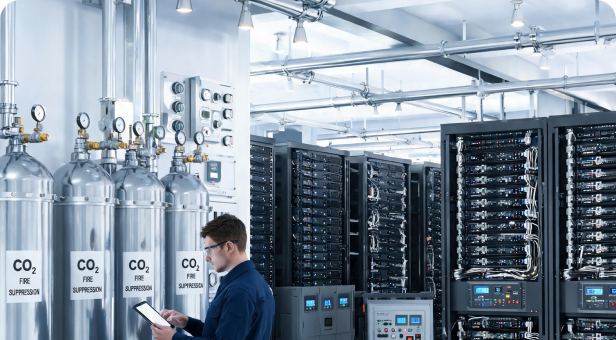
CO2

Leaves no residue, so it's the safe pick for server rooms, labs and live electrical gear. Best on Class B and electrical fires.

Mechanical foam (AFFF)

Smothers flammable-liquid fires and stops them reigniting. Common in fuel stores, garages and petrol pumps.
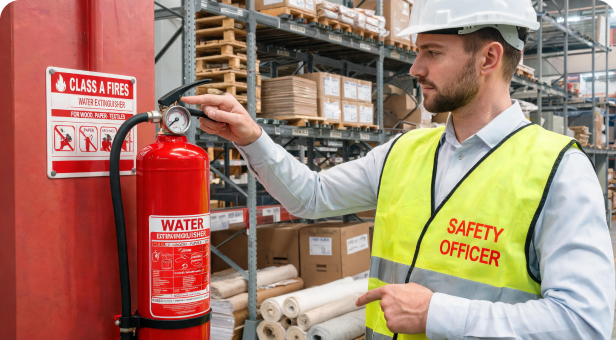
Water type

Cheap and effective on Class A solids like wood, paper and textiles. Never used near electrics.
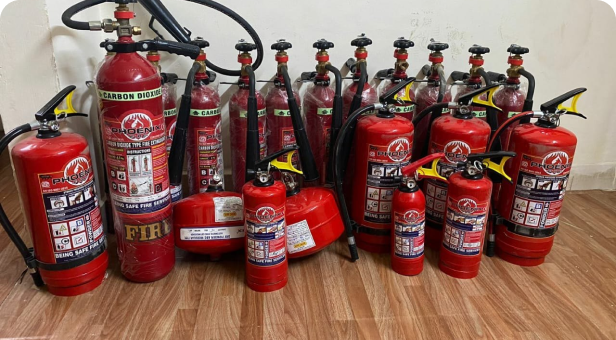
DCP / BC powder

Dry chemical powder for flammable-liquid and gas fires where Class A cover isn't needed.

Clean agent

Non-conductive and residue-free protection for electronics and sensitive equipment.
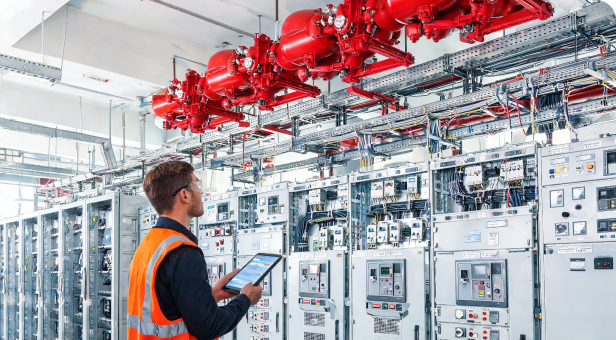
Modular automatic

Ceiling-mounted units that discharge on their own over electrical panels and small enclosed risks, with nobody needed to operate them.
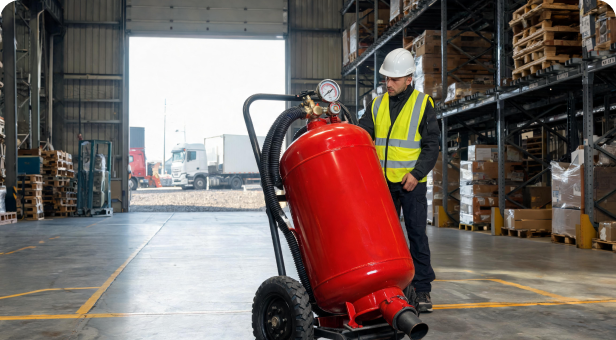
Trolley-mounted

Higher-capacity wheeled units for large industrial floors, warehouses and yards.

Not sure what your building needs? We’ll size and specify the right mix against your fire classes and floor area.

An expired service tag, or a water extinguisher sitting next to an electrical panel, is enough to fail a fire inspection on its own. Let Zap Fire audit your extinguishers and put them right.

Refilling and hydrostatic pressure testing

This is the part nobody thinks about until an inspection or a fire, and it’s the part we’re built for. An extinguisher loses pressure over time, after any use, even a quick test, and the agent inside degrades. IS 2190 sets clear rules for when each type has to be recharged and pressure-tested.

Inspection and weighing

We check the cylinder, valve, hose and nozzle for corrosion or damage, and record the tare and filled weights.

Discharge and clean

The old agent is emptied and disposed of safely, then the cylinder and valve are cleaned out.

Recharge with certified agent

We refill with ISI or OEM-grade powder, foam or CO2 from approved suppliers.

Hydrostatic testing

Cylinders are pressure-tested to IS 7285 on the statutory cycle, commonly every 5 years for water and foam, with CO2 on its own longer cycle. Any cylinder that fails is taken out of service, not refilled.

Functional test and tagging

A brief discharge check confirms pressure and valve operation, then each unit gets a dated service tag and a logged job card.

Built to Indian fire standards

A fire officer won’t take your word that an extinguisher works. They check it against the codes, and so do we. Every unit we supply and service meets:

The same rules trip up most premises at inspection. We design around all of them so your extinguishers pass first time:

Services we provide

We’re a turnkey provider, so you can use us for the full lifecycle of your extinguishers or for a single piece of it. Our own technicians do the work.

Most extinguishers fail because nobody has checked them in years. A Zap Fire AMC keeps every unit charged and in date, with the paperwork ready for inspection.

Design and placement
Selecting the right type and rating of extinguisher for each fire class, in the right numbers, placed to meet IS 2190 travel-distance and mounting rules.
Supply and procurement
ISI-marked extinguishers from established brands such as Kanex, matched to your hazards.
Installation and execution
Mounting, bracketing, signage and positioning so every unit is visible and within reach.
Testing and commissioning
Functional and pressure checks so each extinguisher is proven to work from day one.
Preventive maintenance
Scheduled visual checks of pressure, seals, hoses and nozzles, with the service tag updated each visit.
Annual maintenance contracts (AMC)
Comprehensive and non-comprehensive AMCs with a maintenance register and tags that hold up to audits and NOC renewals.
Refilling and hydrostatic pressure testing
Discharge, recharge and pressure testing on the IS 2190 schedule, with failed cylinders replaced rather than refilled.
Training and demonstrations
Hands-on extinguisher training and fire drills so your staff can actually use a unit under pressure.
Inspection and system health audits
An inventory audit of every extinguisher, flagging wrong-type, over-distance, corroded and out-of-date units.
Compliance and Fire NOC support
Tagging, documentation and records that satisfy fire authority inspections and NOC renewals.

Where we maintain extinguishers

We supply and service fire extinguishers for clients across India, in places such as:

Corporate offices and IT parks

Hospitals and healthcare facilities

Hotels, restaurants and commercial kitchens

Factories and manufacturing units

Warehouses and logistics hubs

Schools, colleges and hostels

Housing societies and commercial towers

Petrol pumps, fuel stores and workshops

Why building owners choose Zap Fire

Anyone can sell you a red cylinder. The real job is keeping it ready for the day you need it. Here’s what working with us gets you:

Service across India

We collect and return units, or service them on-site where that's practical, wherever you operate.

ISI-marked equipment and certified agents

No grey-market refills that fall apart under an audit.

In-house technicians

Trained people who know the standards, not casual labour.

ERP-tracked records

Every service, refill and hydrostatic test logged and traceable.

Inspection-ready tagging

Dated tags and a maintenance register, ready the day the fire officer arrives.

A partner since 2008

Years of turnkey fire safety behind every contract we sign.

Frequently asked questions

1
How often does a fire extinguisher need refilling?
It depends on type and use, but as a rule extinguishers are serviced every year and refilled whenever they lose pressure, get used, or fall due under IS 2190. Under an AMC, we track the dates for you.
2
What is hydrostatic testing, and is it mandatory?
It's a pressure test of the cylinder itself, carried out on a set cycle under IS 7285, commonly every 5 years for water and foam. It's mandatory, and any cylinder that fails has to be replaced rather than refilled.
3
Which fire extinguisher do I need?
It comes down to the fire classes in your building. ABC powder covers most mixed spaces. CO2 suits electricals and server rooms, and foam handles flammable liquids. We'll specify the right mix after seeing your site.
4
Do you provide tags and documentation for Fire NOC?
Yes. Every service comes with a dated tag, a job card and a maintenance register that satisfies fire authority inspections and NOC renewals.

Talk to Zap Fire

Get a Comprehensive Site Survey

5 extinguishers or 500, we’ll supply, refill, test and certify them, and keep them inspection-ready all year.

Send a Message

Send a Message