
VESDA and aspirating smoke detection systems

A normal smoke detector waits. It sits on the ceiling and does nothing until enough smoke has risen and spread to reach it, and in a data hall or a clean room, the damage is already underway by then. In a space with high airflow or a high ceiling, the smoke can be diluted away before it ever triggers a thing.

Aspirating smoke detection turns that around. Instead of waiting for smoke to come to it, a VESDA-style system actively draws air from across the space through a network of pipes and reads it for the first microscopic traces of smoke, catching a problem at the incipient stage, often long before anything is visible.

Zap Fire designs, supplies, installs and maintains aspirating smoke detection systems for data centres, telecom, industrial and heritage clients. We’re headquartered in Gurugram and we service clients across India. We’ve done this since 2008, and we handle the whole system, from the pipe-network design that decides how early it warns through to the filter changes that keep it working.
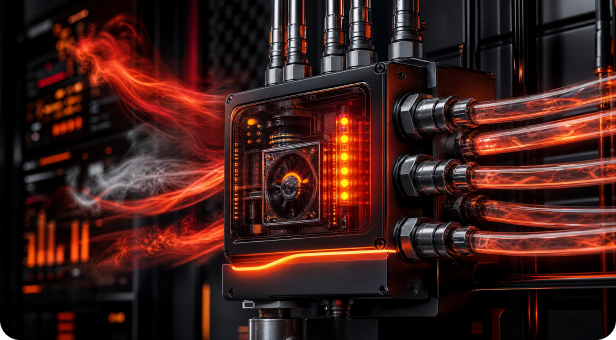
How aspirating smoke detection works

At the centre is a high-sensitivity detector with a built-in aspirator, a small fan that runs continuously. It pulls air from the protected space through a network of small-bore pipes fitted with calibrated sampling holes. The air is filtered to strip out dust, then passed through a laser detection chamber that reads smoke at concentrations a spot detector would never see.

Because it samples continuously and reads such low levels, the system can flag trouble in stages. Most VESDA-style detectors give four thresholds, Alert, Action, Fire 1 and Fire 2, so your team can investigate at the earliest sign instead of waiting for a single late alarm that’s already an emergency.

What a VESDA system includes

An aspirating system is a detector and a sampling network working as one:

ASD detector unit

The high-sensitivity laser detector with its built-in aspirator, the heart of the system.

Sampling pipe network

Small-bore pipes with calibrated sampling holes, routed across the protected space or through your equipment.
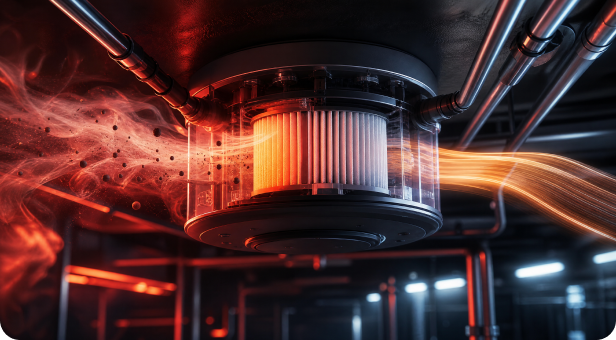
Air filter

A filter that removes dust before the air reaches the chamber, so the detector reads smoke and not grime.
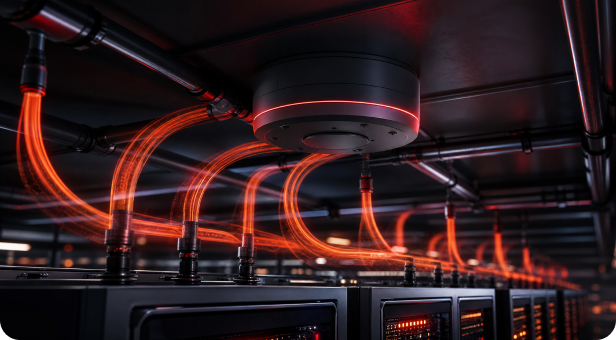
Sampling and capillary points

The holes and drop pipes that draw air from exactly where you need to watch, including inside cabinets.
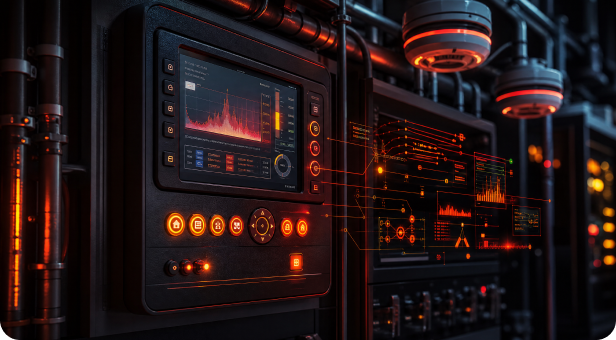
Display and programmer

The interface that shows live smoke levels and trends and sets the alarm thresholds.
Integration relays

Outputs that pass the staged alarms to your fire alarm panel, BMS and any suppression system.

If you’ve had nuisance alarms, late alarms or smoke incidents you couldn’t trace, your spot detectors are telling you something. Zap Fire designs aspirating detection that catches it early and for real.

Where ordinary detectors fall short

Spot detectors are fine in a still, ordinary room. They struggle exactly where the stakes are highest:

High airflow

HVAC and server fans dilute and carry smoke away before it ever reaches a ceiling detector.

High ceilings

In a warehouse or atrium, smoke cools and spreads before it can climb to the detector.

Dust and harsh air

Dirty environments clog spot detectors and trigger nuisance alarms.

Cold stores

Low temperatures and condensation defeat ordinary detection.

In all of these, aspirating detection samples the air at the source instead of waiting for smoke to find a detector.

Services we provide

Aspirating detection is engineering as much as installation, and we cover every stage of it with our own people.

Most extinguishers fail because nobody has checked them in years. A Zap Fire AMC keeps every unit charged and in date, with the paperwork ready for inspection.

Design and engineering
Detector placement and sampling-point coverage mapped to your space, as drawings.
Aspiration and airflow calculations
Pipe layout, hole sizing and transport-time modelling so the system warns as early as it should.
Supply and procurement
VESDA-style detectors, sampling pipe, fittings and filters from established makes.
Installation and execution
Pipe network, detector and sampling points fitted on schedule by trained technicians.
Testing and commissioning
Smoke and transport-time tests, airflow verification and sensitivity setup before handover.
Programming and integration
Alarm thresholds, and integration with your fire alarm, BMS and suppression.
Retrofitting and modernisation
Adding aspirating detection where spot detectors keep failing, or upgrading an old ASD.
Preventive maintenance
Scheduled filter changes, aspirator checks, pipe airflow checks and sensitivity verification.
Breakdown maintenance
Quick repair when the detector, aspirator or airflow develops a fault.
Annual maintenance contracts (AMC)
Comprehensive and non-comprehensive AMCs with scheduled airflow and filter servicing.
Training and demonstrations
Hands-on training so your team understands the staged thresholds and what each one means.
Inspection and system health audits
Independent audits of coverage, airflow, transport time and sensitivity.
Compliance and Fire NOC support
Drawings, test certificates and demonstration support for your Fire NOC.

Why the pipe design decides everything

Aspirating detection lives or dies on its pipe network. Get the pipe runs or the hole sizes wrong and either the air takes too long to reach the detector, killing the early warning you paid for, or the sampling is unbalanced and part of the room is barely watched. We model the network properly, sizing holes and pipe runs so the transport time stays short and every sampling point pulls its share. That’s the difference between a system that warns you in seconds and one that’s early in name only.

A blocked sampling hole or a clogged filter turns very early detection into no detection, silently. A Zap Fire AMC keeps the airflow, the filter and the sensitivity in check, so it stays as early as the day it went in.

Built to recognised standards

We design and install to the standards that govern smoke detection:
Designing to these matters for your Fire NOC, and for the special-hazard suppression that often relies on aspirating detection to trigger early and reliably.

Where we install aspirating detection

We design and maintain aspirating smoke detection for clients across India, in spaces such as:

Data centres and server rooms

Telecom and network facilities

Clean rooms and pharmaceutical spaces

Warehouses and high-ceiling spaces

Cold storage and freezer facilities

Archives, museums and heritage buildings

Switchrooms and control rooms

Manufacturing and process areas

Why building owners choose Zap Fire

The whole value of aspirating detection is the time it buys you. We design and maintain it so that time is real. Here’s what you get with us:

Engineering-led design

We model the pipe network and transport time, so the early warning is real, not just claimed.

Built for difficult spaces

High airflow, high ceilings, dust and cold are exactly where we apply it.

VESDA-style high-sensitivity detection

Laser detection that reads smoke a spot detector would miss.

One team from design to AMC

The people who design the network are the people who keep it clean.

ERP-tracked service

Every filter change, airflow check and sensitivity test logged and ready.

A partner since 2008

Turnkey fire detection delivered across India.

Frequently asked questions

1
How is aspirating detection different from normal smoke detectors?
A normal detector waits for smoke to reach it on the ceiling. An aspirating system actively draws air from across the space through pipes and reads it for the first traces of smoke, which catches a fire far earlier, especially where airflow or height would defeat a spot detector.
2
What is transport time, and why does it matter?
It's how long air takes to travel from a sampling point through the pipework to the detector. The shorter it is, the earlier the warning, which is why the pipe network has to be designed and not just installed.
3
Where is aspirating detection worth it?
Anywhere a small incident is expensive or hard to detect, including data centres, telecom facilities, clean rooms, warehouses, cold storage and heritage buildings, and anywhere spot detectors have given late or nuisance alarms.
4
Does it need much maintenance?
It needs the right maintenance. Filters fill with dust and pipes can block, so scheduled filter changes and airflow checks are what keep it reading early. We build that into the AMC.

Talk to Zap Fire

Get a Comprehensive Site Survey

When minutes of early warning decide whether you lose a data hall or just investigate a fault, you want aspirating detection designed and maintained properly.

Send a Message

Send a Message